


Sustainable interior design materials make Indian homes healthier, more durable, and better suited to local climate conditions. Materials like bamboo, reclaimed wood, terracotta, lime plaster, jute, natural stone, and low-VOC paints improve indoor air quality, reduce waste, and add lasting beauty.
Sustainability in home design has moved well past being a trend. For homeowners in Mumbai and Bangalore who are planning interiors, it is increasingly a practical consideration, not just an ethical one. Better indoor air quality, materials that withstand Indian climate conditions, and less waste over the lifetime of the home. The case for sustainable interior design materials is as much about liveability as it is about the environment.
What is sustainable interior design in practical terms? It is designed to prioritise materials which are renewable, recycled, reclaimed, locally sourced, low in toxicity, or built to last significantly longer than standard alternatives.
These categories often overlap. Reclaimed wood is both recycled and durable. Lime plaster is locally sourced, low-toxicity, and breathable. Bamboo is renewable and climate-appropriate. Sustainable interior design materials are not a single type of product. They are a set of criteria applied to every material decision in the home.
The benefits of environmentally friendly interior design are immediately visible in Indian homes, especially in urban areas like Mumbai or Bangalore.
Standard synthetic materials can exude volatile organic compounds for months after installation. In Mumbai apartments with limited cross-ventilation, this directly affects indoor air quality. Low-VOC paints and natural finishes eliminate this problem at the source.
Climate suitability is another factor. Many imported materials perform poorly in high humidity. Natural interior design materials like terracotta, lime plaster, and natural stone are not only core parts of biophilic design, but they have also been used in Indian construction for centuries, precisely because they handle heat and moisture well.
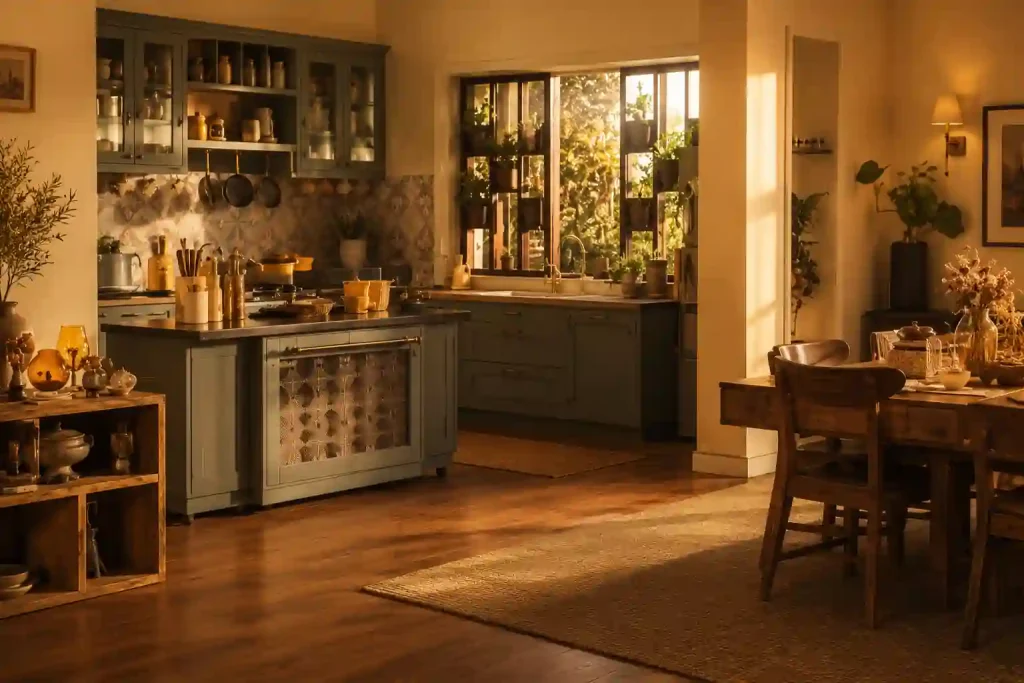
Before imported materials became standard, Indian homes relied on what was locally available and climatically appropriate. Lime-plastered walls that breathed and regulated humidity. Terracotta roof tiles and flooring that stayed cool. Teak and rosewood furniture are built to last for generations. Jute and cotton textiles that were biodegradable and locally woven.
Eco-friendly interior design in the Indian context is not a new idea. It is largely a return to what worked before the standardisation of interior materials in big cities.
These sustainable interior design materials perform well in real Indian homes, not just in theory:
Adds character and warmth with zero new deforestation. Works well for flooring, furniture, and accent walls.
Grows faster than any timber alternative and is harder than most hardwoods. Suitable for flooring, cabinetry, and partitions.
Naturally antimicrobial, sound-absorbing, and moisture-resistant. Underused in Indian interiors and well-suited to Bangalore’s climate.
Excellent thermal mass, locally produced, and genuinely beautiful. Works for flooring, wall cladding, and decorative elements.
For rugs, upholstery, and curtains. Biodegradable and breathable.
For fixtures, hardware, and decorative surfaces. Diverts waste and requires less energy to produce.
The single easiest switch in any home. No performance compromise, significant indoor air quality benefit.
Durable, locally sourced, and climate-appropriate for both Mumbai and Bangalore conditions.
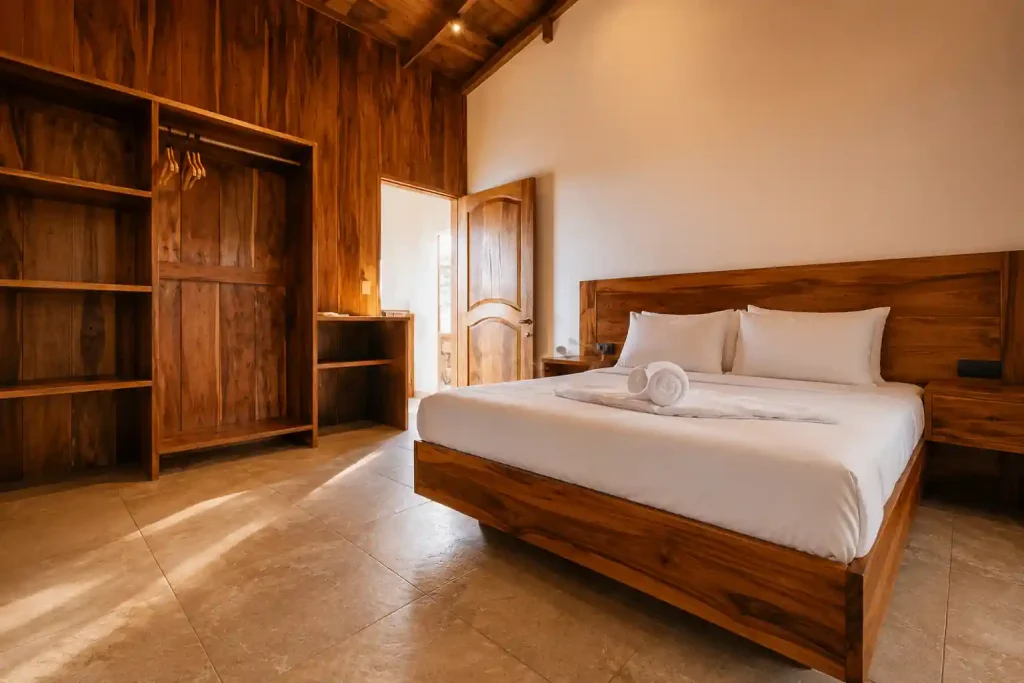
Sustainable materials for interiors apply differently depending on the room’s function and exposure:
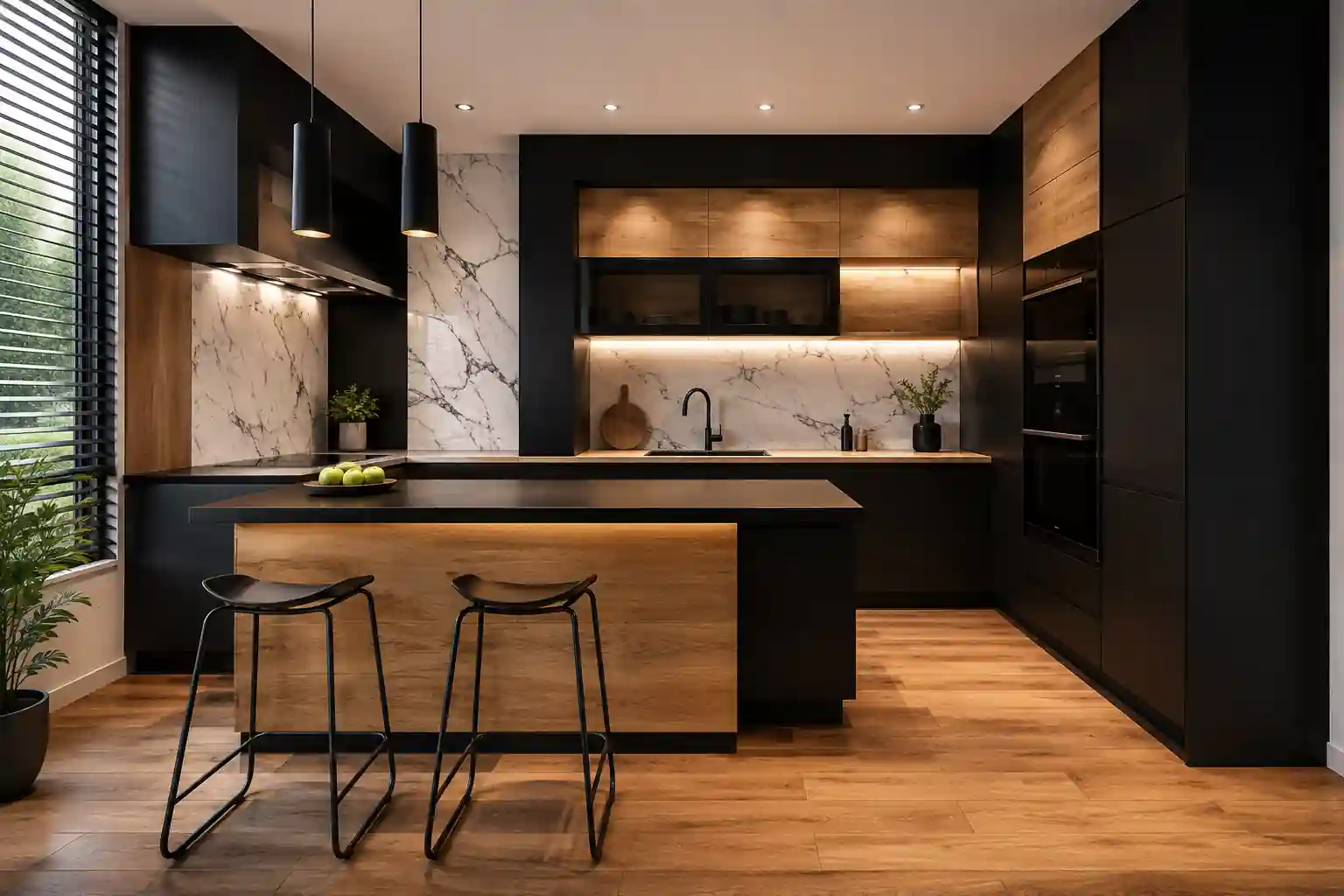
Bamboo or reclaimed wood cabinetry, recycled glass splashbacks, and natural stone counters.
Cork or terracotta flooring, low-VOC paint, jute rugs, and reclaimed wood shelving.
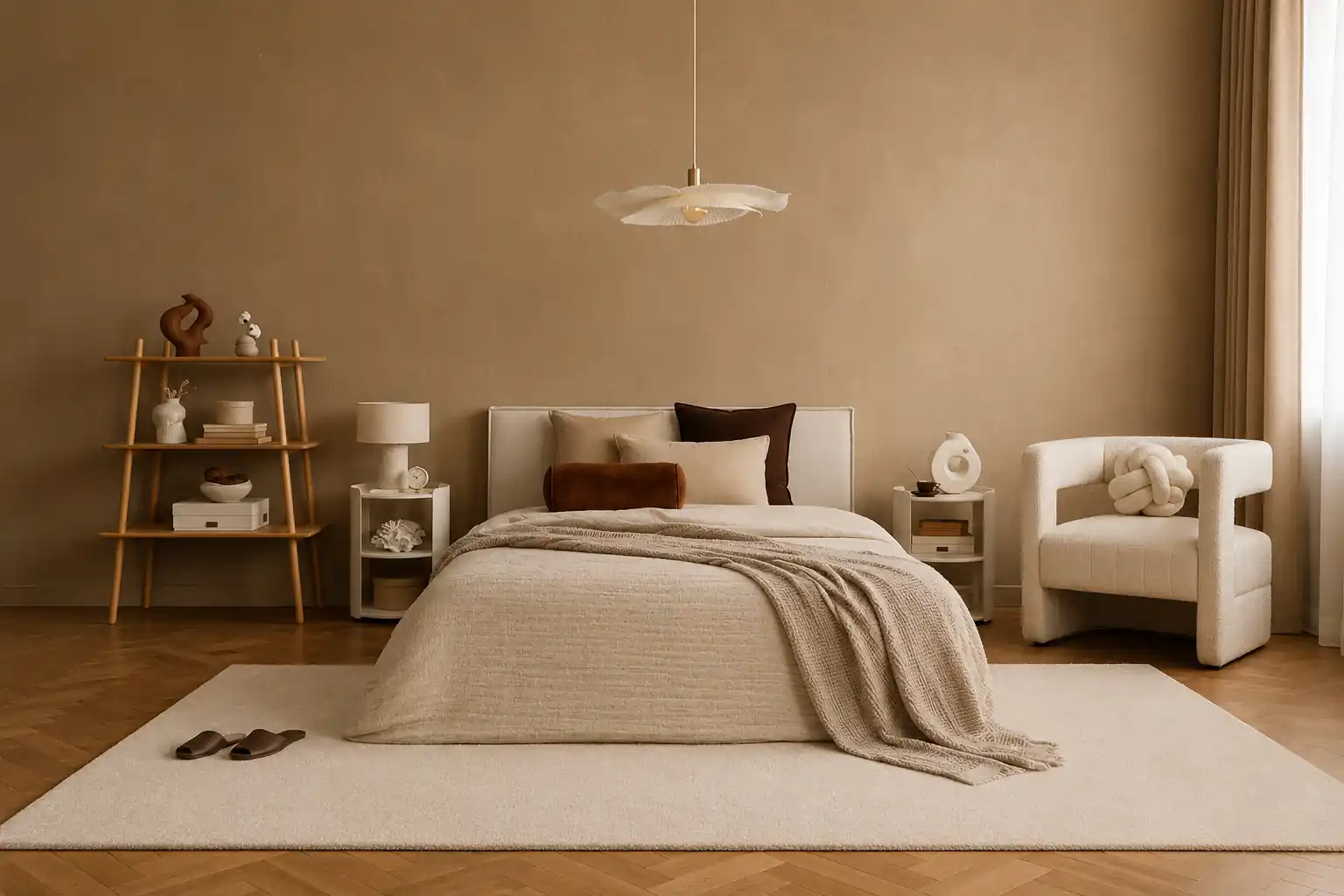
Organic cotton bedding and curtains, low-VOC paint, and natural wood furniture.
Natural stone surfaces, recycled metal fixtures, and lime plaster walls.
Terracotta tiles, bamboo screens, and clay or recycled planters.
Natural stone, teak or reclaimed wood, and clay lamps and vessels.
Green interior design decisions should be filtered through a few practical questions before committing:
Will it last ten to fifteen years with normal maintenance
Is it appropriate for the room’s humidity level
Does it release particulates, and if so, for how long
Is it locally available, and what are the transport emissions involved
Look for FSC certification for wood, Greenguard for paints and finishes
Sustainable materials range from very affordable (lime plaster, jute) to premium (certified reclaimed teak)
What works in Bangalore’s dry cool winters may need reassessment for Mumbai’s monsoon humidity
Sustainable interior design does not require sacrificing visual quality. The most enduring interiors almost always lean on natural materials, earthy palettes, and honest textures.
A few ideas with sustainable interior design materials that work well in Indian homes:
At Bonito Designs, the conversation about sustainable interior design materials begins with understanding the household:
From those answers, material recommendations follow. Eco-friendly interior design at Bonito Designs is not about ticking a sustainability checklist, but about choosing materials that suit the family, the city, and the home’s specific conditions.
Every sustainable interior design material should be thoughtfully chosen to reduce waste, improve comfort, and produce a home that holds its quality over time. If you want your home designed with materials that are right for how and where you live, book a consultation with Bonito Designs today.
Sustainable interior design materials are materials that are renewable, recycled, reclaimed, locally sourced, low in toxicity, or highly durable. Examples include bamboo, reclaimed wood, lime plaster, terracotta, cork, etc.
Sustainable materials improve indoor air quality, reduce exposure to harmful VOCs, perform better in Indian climate conditions, and help lower waste over the lifetime of a home.
Some of the best sustainable interior design materials include reclaimed wood, bamboo, cork, terracotta, jute, organic cotton, recycled glass, recycled metal, natural stone, lime plaster, and low-VOC paints.
Sustainable materials can be used across the home, including bamboo or reclaimed wood in kitchens, cork or terracotta flooring in living rooms, organic cotton in bedrooms, natural stone in bathrooms, and terracotta tiles or bamboo screens on balconies.
Sustainable interior design does not always have to be expensive. Materials like lime plaster, jute, terracotta, and low-VOC paints can be affordable, while options like certified reclaimed teak or premium natural stone may cost more.